A Chronological Journey
Five essential texts that challenged America to become what it promised to be. Words that sparked movements, changed minds, and bent the arc of history.
The 1850s
The Fugitive Slave Act forces Northerners to participate in slavery's enforcement. Tensions between free and slave states reach breaking point. The abolitionist movement finds its most powerful voice.
Rochester, New York
July 5, 1852
"What, to the American slave, is your Fourth of July? I answer: a day that reveals to him, more than all other days in the year, the gross injustice and cruelty to which he is the constant victim."
A former slave who taught himself to read delivers the most searing indictment of American hypocrisy ever spoken. Invited to celebrate independence, Douglass instead forces his audience to confront the nation's original sin.
Read This Text1865 — 1895
The Civil War ends. The 13th, 14th, and 15th Amendments promise equality. But Reconstruction collapses. Jim Crow rises. The question becomes: what path forward?
Atlanta, Georgia
September 18, 1895
"Cast down your bucket where you are... Cast it down in agriculture, mechanics, in commerce, in domestic service, and in the professions."
Born into slavery, Washington proposes a controversial path: economic self-improvement over political agitation. His "Atlanta Compromise" sparked a debate about strategy and dignity that echoes to this day.
Read This Text1896 — 1903
Plessy v. Ferguson enshrines "separate but equal." Lynchings reach their peak. A new generation—Harvard-educated, uncompromising—rises to challenge accommodation.
Atlanta, Georgia
1903
"The problem of the twentieth century is the problem of the color line."
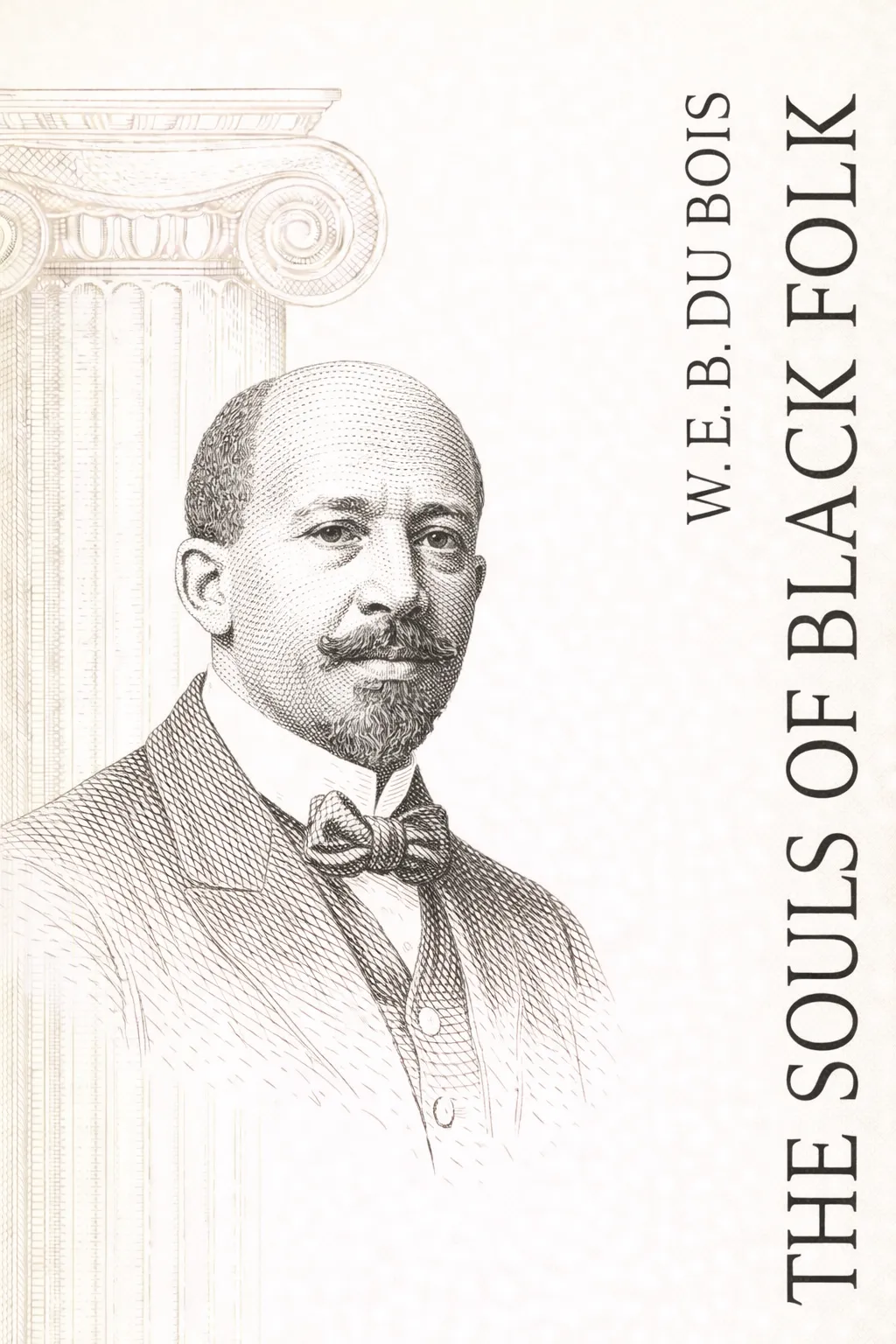
The first African American to earn a doctorate from Harvard writes his masterwork. Part sociology, part memoir, part prophecy—Du Bois introduces "double consciousness" and directly challenges Washington's path of accommodation.
Read This Text1954 — 1963
Brown v. Board overturns "separate but equal." Rosa Parks. Little Rock. The Freedom Rides. Birmingham becomes a battleground. A minister is arrested for leading nonviolent protests.
Birmingham, Alabama
April 16, 1963
"Injustice anywhere is a threat to justice everywhere. We are caught in an inescapable network of mutuality, tied in a single garment of destiny."
Written on newspaper margins smuggled into his jail cell. White clergymen called his protests "unwise and untimely." King's response became one of the greatest defenses of civil disobedience ever written.
Read This Text1964 — 2008
The Civil Rights Act. The Voting Rights Act. Assassination. Integration. Backlash. Progress and setback. Forty-five years later, a presidential candidate faces a moment of crisis—and chooses to speak about race.
Philadelphia, Pennsylvania
March 18, 2008
"I chose to run for president at this moment in history because I believe deeply that we cannot solve the challenges of our time unless we solve them together."
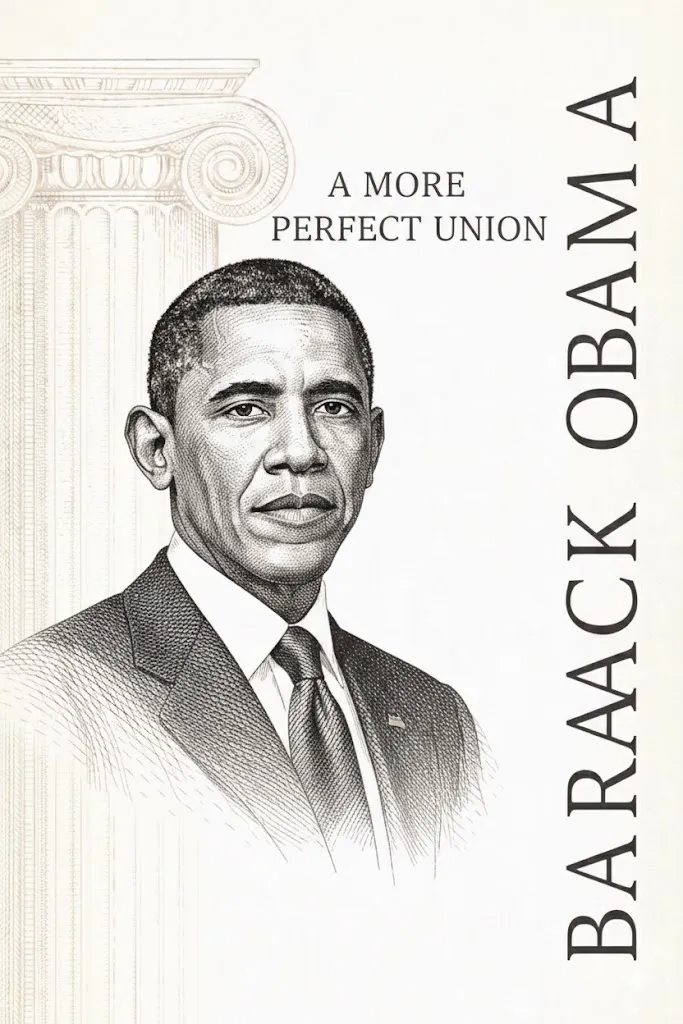
At the National Constitution Center, facing controversy over his former pastor's words, Obama delivers a meditation on race that refuses simple answers. Not a defense, but an invitation to understand America's complexity.
Read This Text"The arc of the moral universe is long, but it bends toward justice."Explore the Full Library