c. 428 — 348 BC

Plato

Student of Socrates. Teacher of Aristotle.
The architect of Western philosophy.

Scroll to explore
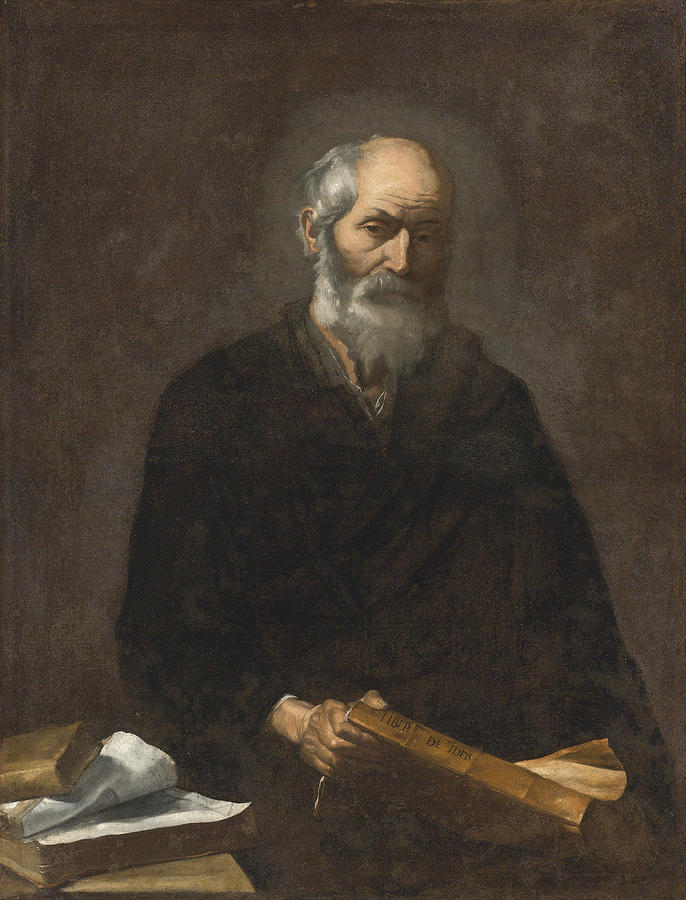
Plato by Jusepe de Ribera

The safest general characterization of the European philosophical tradition is that it consists of a series of footnotes to Plato.

So wrote Alfred North Whitehead in 1929, and the assessment remains true. Every fundamental question of Western thought—What is real? What can we know? How should we live? What is justice?—was first given systematic form in the dialogues of this Athenian aristocrat who turned from poetry and politics to philosophy.
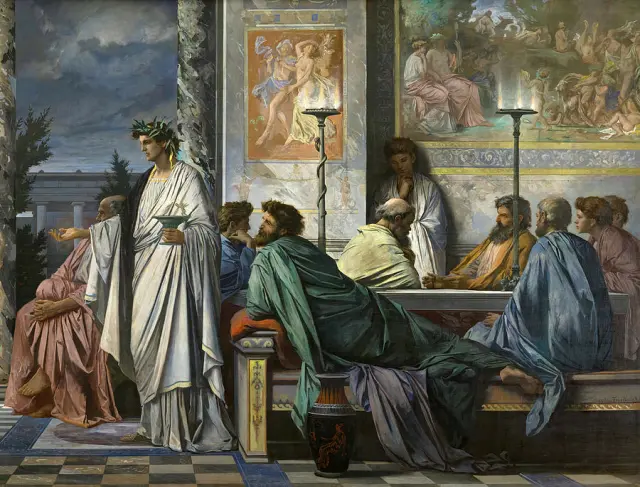
Chapter I

The Broad-Shouldered Youth

Born Aristocles to one of Athens' most distinguished families, the young man we know as Plato earned his nickname—meaning "broad"—from the wrestling coaches who trained him. He was built for the gymnasium, and in his youth excelled at the contests that defined Athenian masculinity.

But physical strength was not his destiny. According to tradition, Plato was preparing to compete in the Isthmian Games when he encountered Socrates. That meeting changed everything. He burned his poems and abandoned athletics for philosophy.

Socrates offered something the poets and wrestlers could not: a method for pursuing truth. Not proclamations but questions. Not performances but dialogues. Not victory over opponents but victory over ignorance, including one's own.

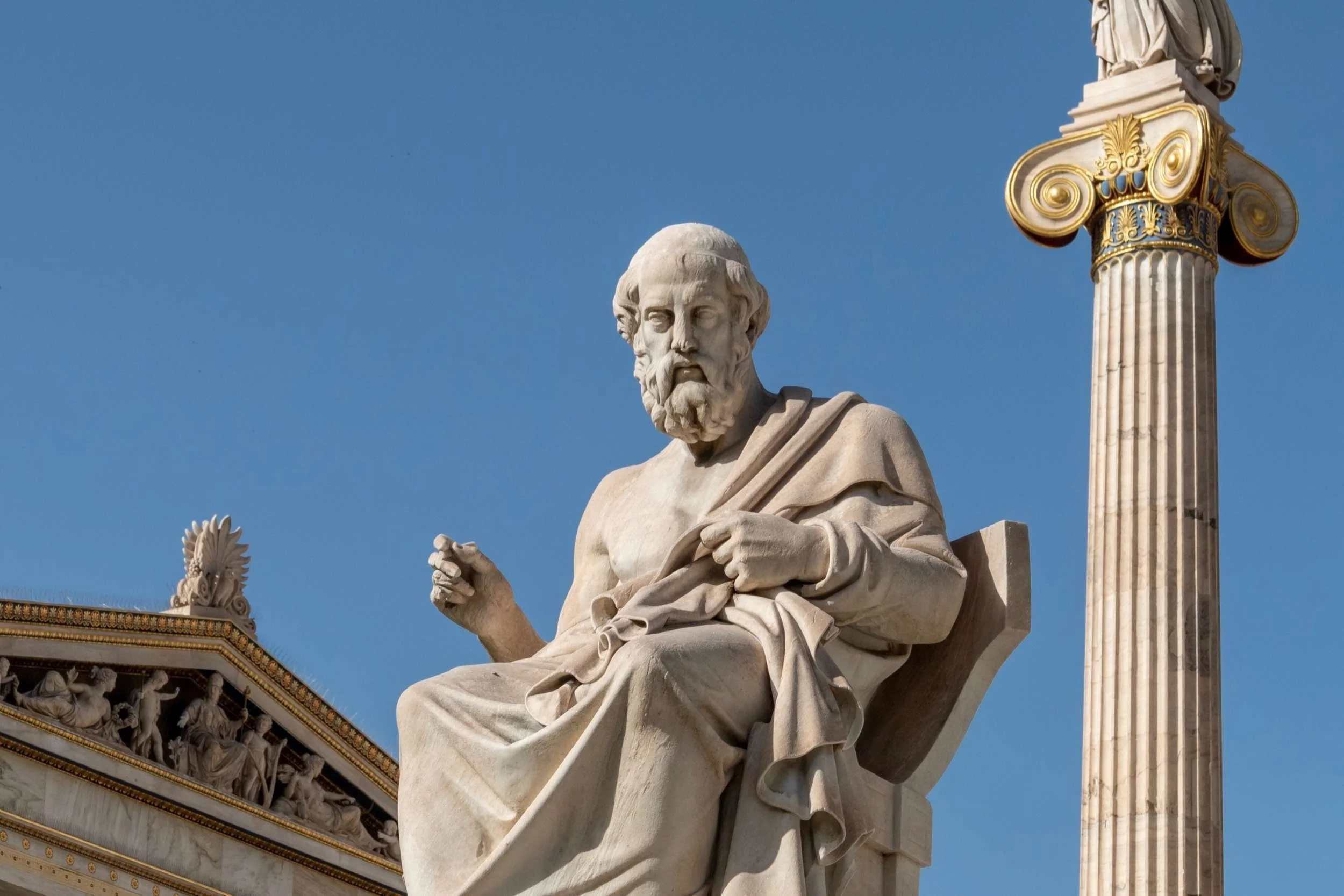
Ancient statue of Plato
An ancient statue of Plato
"

The unexamined life is not worth living.

Socrates, in Plato's Apology

Chapter II

The Death of Socrates

In 399 BC, Plato witnessed the event that would shape the rest of his life: the trial and execution of Socrates. Athens, restored democracy after its defeat in the Peloponnesian War, charged the seventy-year-old philosopher with impiety and corrupting the youth.

Socrates refused to flee. Instead, he used his trial as a final demonstration of philosophical integrity. Convicted by a narrow margin, he drank the hemlock surrounded by his students. Plato was not present—he was ill, he tells us. But he devoted his life to ensuring that Socrates' voice would never be silenced.

The dialogues are Plato's memorial: Socrates lives again in every conversation, questioning every assumption, pursuing truth wherever it leads. The execution was meant to silence him. It produced the most influential philosophical literature in history.

Plato in philosophical contemplation
The philosopher in contemplation

Chapter III

The Academy

After Socrates' death, Plato traveled—to Egypt, to Italy, to Syracuse, where he attempted (and failed) to turn a tyrant into a philosopher-king. But his lasting achievement was not abroad. It was in Athens, in a grove sacred to the hero Academus, where around 387 BC he founded the Academy.

This was the first institution of higher learning in the Western world. It would endure for nearly nine hundred years, until the Emperor Justinian closed it in 529 AD. Here mathematics, astronomy, political theory, and philosophy were pursued not as separate disciplines but as aspects of a single quest: the education of the soul.

The Academy's most famous student arrived as a seventeen-year-old from Stagira in northern Greece. His name was Aristotle. He stayed twenty years, until Plato's death. The teacher who had learned from Socrates now taught the man who would tutor Alexander the Great.

Plato teaching
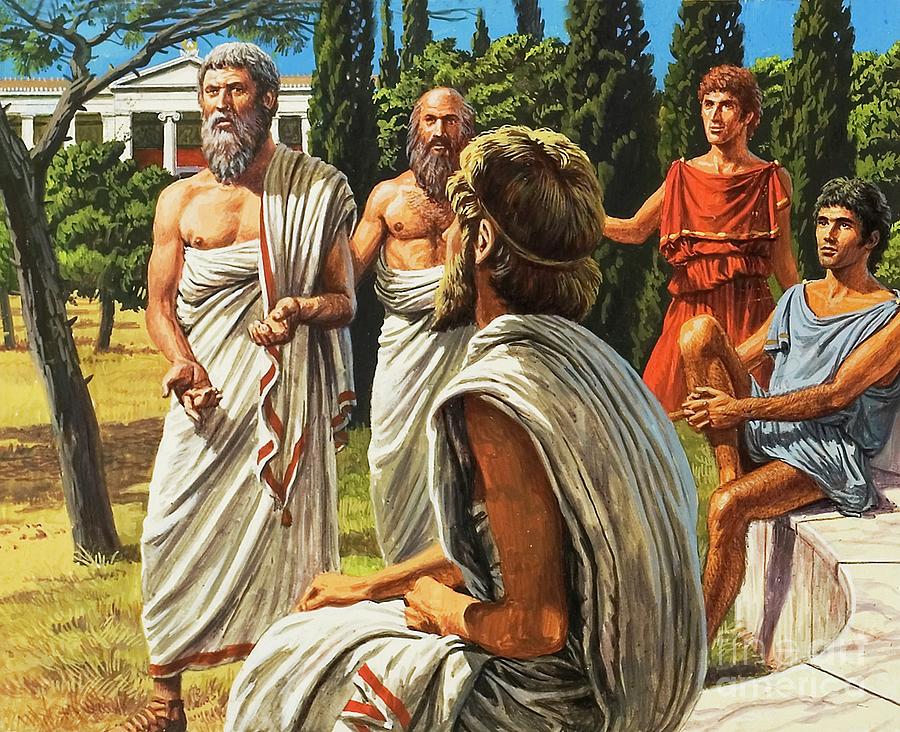
Teaching the next generation
"

Be kind, for everyone you meet is fighting a hard battle.

Attributed to Plato

Chapter IV

The Allegory of the Cave

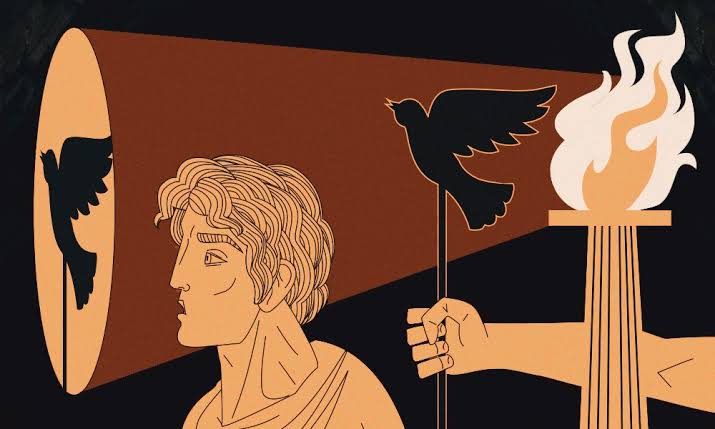
Imagine prisoners chained since childhood in an underground cave, able to see only shadows cast on a wall by a fire behind them. They take the shadows for reality—it is all they have ever known. Now imagine one prisoner is freed and dragged into the sunlight. At first, blinded, he would think the cave more real than this painful brilliance.

This is Plato's image of philosophical education: a painful turning of the soul from shadows to light, from opinion to knowledge, from the visible world to the Forms themselves. The philosopher who ascends must then return to the cave, to lead others upward—though they may resist, even violently.

The Cave remains philosophy's most powerful image. We still speak of enlightenment, of seeing the light, of emerging from darkness. Every red pill, every moment of awakening, every glimpse beyond ordinary consciousness echoes Plato's prisoners blinking in the sun.

The Allegory of the Cave
Plato's allegory of the cave

Chapter V

The Theory of Forms

What makes a beautiful thing beautiful? Not its matter—the same bronze can be shaped into ugliness or beauty. Not its particular arrangement—other arrangements can also be beautiful. Plato argued that beautiful things are beautiful because they participate in Beauty itself: an eternal, unchanging Form that exists beyond the physical world.

The physical world is a realm of becoming—things change, decay, pass away. But the Forms are eternal: perfect Justice, perfect Goodness, perfect Beauty. These are not mere abstractions but the most real things of all. The visible world is their shadow.

This is Plato's great philosophical wager: that behind the flux of appearances lies an order of permanent truth, accessible not to the senses but to reason. We may debate whether he was right. But the question he posed—whether there is something stable beneath change, something universal beneath particulars—remains the central question of philosophy.

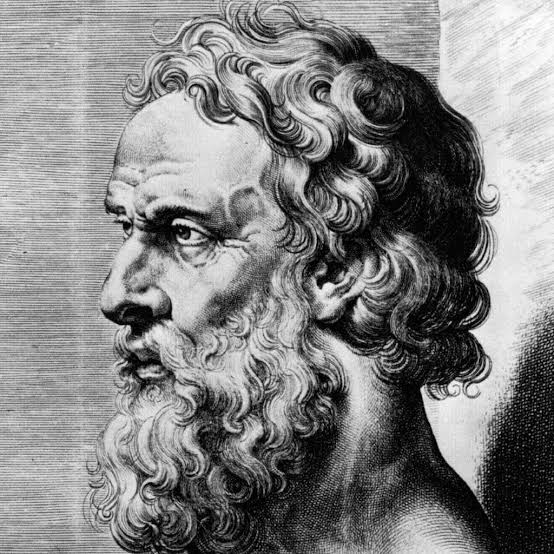
Profile sketch of Plato
The philosopher in profile
"

The heaviest penalty for declining to rule is to be ruled by someone inferior to yourself.

The Republic

Chapter VI

Pointing Upward

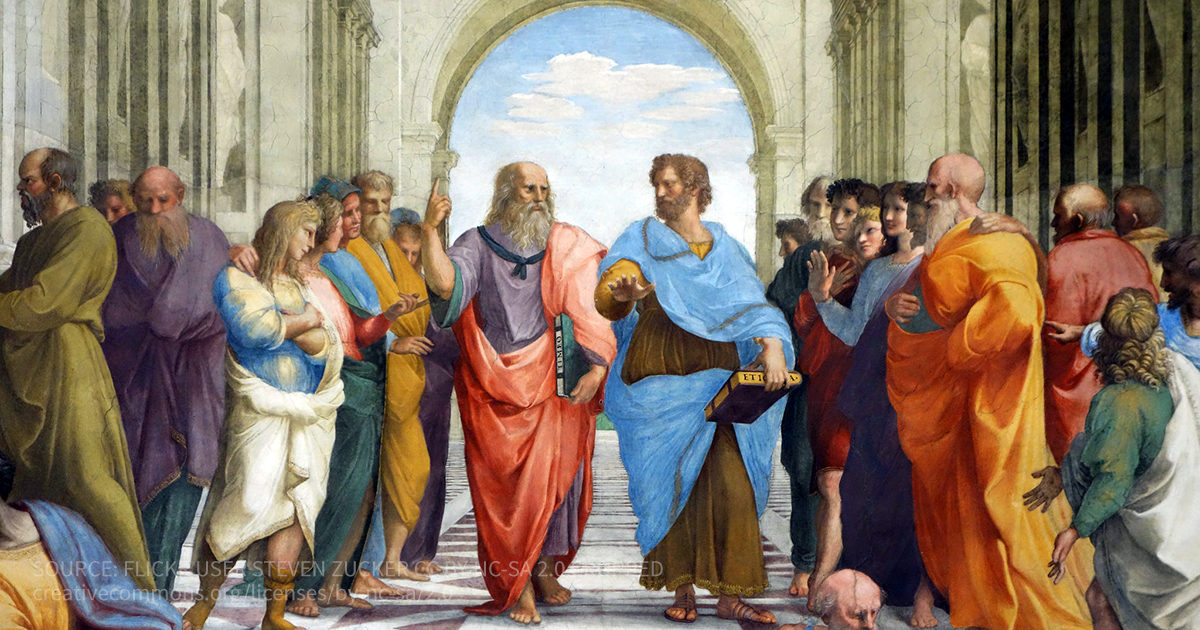
In Raphael's School of Athens, painted two thousand years after Plato's death, the philosopher stands at the center of the composition beside Aristotle. Plato points upward, to the heavens, to the realm of Forms; Aristotle gestures downward, to the earth, to the world of particulars.

This single image captures the fundamental tension in Western thought. Are we to seek truth in transcendence or immanence? In eternal principles or material particulars? In abstract reason or empirical observation? The debate begun in the Academy continues in every laboratory, every university, every mind that asks what is truly real.

Plato's answer was clear: the highest things are not seen with the eyes. Beauty itself, Justice itself, the Good—these are grasped by the intellect alone. Philosophy is the discipline that trains us to see beyond shadows.

The School of Athens
Raphael's School of Athens (1509-1511)
"

At the touch of love everyone becomes a poet.

Symposium

Twenty-Four Centuries Later

Plato died around 348 BC, reportedly at a wedding feast—still writing, still teaching, still questioning. The Academy he founded outlasted the Roman Republic and the Roman Empire. His dialogues have been read continuously for over two millennia. Augustine, Aquinas, Descartes, Kant, Whitehead—every major Western philosopher has wrestled with his legacy. To read Plato is not to study a dead thinker. It is to join a conversation that has never stopped.

Explore the Library