An Editorial Pathway

The Conservative Idea

From Burke to Eliot: The tradition of ordered liberty

In 1953, Russell Kirk published The Conservative Mind, tracing an intellectual tradition from Edmund Burke through T.S. Eliot—a tradition that valued prescription over abstraction, community over individualism, and the wisdom of the ages over the innovations of the hour. This pathway follows Kirk's genealogy, presenting the primary texts that define what he called "the negation of ideology" and the affirmation of enduring truths about human nature and society.

50 min read 15+ Primary Sources 6 Movements
Navigate the Pathway

Prologue

Russell Kirk's Six Canons of Conservatism

Before tracing the tradition, we must understand what Kirk believed united these thinkers across two centuries. In The Conservative Mind, he identified six "canons" or principles that characterize the conservative disposition:

The Six Canons

  1. Belief in a transcendent order, or body of natural law, which rules society as well as conscience. Political problems, at bottom, are religious and moral problems.
  2. Affection for the proliferating variety and mystery of human existence, as opposed to the narrowing uniformity, egalitarianism, and utilitarian aims of most radical systems.
  3. Conviction that civilized society requires orders and classes, as against the notion of a "classless society." With equality of condition means equality of servitude and boredom.
  4. Persuasion that freedom and property are closely linked: separate property from private possession, and Leviathan becomes master of all.
  5. Faith in prescription and distrust of "sophisters, calculators, and economists" who would reconstruct society upon abstract designs. Custom, convention, and old prescription are checks upon man's anarchic impulse.
  6. Recognition that change may not be salutary reform: hasty innovation may be a devouring conflagration, rather than a torch of progress. Society must alter, for prudent change is the means of social preservation; but providence moves slowly.

These principles, Kirk argued, are not an ideology but a disposition—a way of approaching political and social questions that begins with humility about human nature and reverence for inherited wisdom. The thinkers in this pathway share this disposition, though they applied it to different circumstances across different centuries.

Movement I

The Burkean Foundation

Edmund Burke and the Critique of Revolutionary Abstraction

"We are afraid to put men to live and trade each on his own private stock of reason; because we suspect that this stock in each man is small, and that the individuals would do better to avail themselves of the general bank and capital of nations and of ages."

— Edmund Burke, Reflections on the Revolution in France

1

Reflections on the Revolution in France

Edmund Burke (1729-1797) was an Irish-born British statesman who had defended the American colonists and supported Catholic emancipation. When the French Revolution erupted in 1789, many expected him to celebrate it as he had celebrated American liberty. Instead, Burke saw something fundamentally different—and dangerous.

The Reflections, written as a letter to a young Frenchman, became the founding text of modern conservatism. Burke's argument was not merely political but philosophical: the revolutionaries' error lay in their belief that society could be redesigned from abstract principles.

"The science of constructing a commonwealth, or renovating it, or reforming it, is, like every other experimental science, not to be taught a priori. Nor is it a short experience that can instruct us in that practical science; because the real effects of moral causes are not always immediate."

— Edmund Burke, Reflections on the Revolution in France

Against the revolutionaries' faith in reason alone, Burke counterposed the wisdom embedded in inherited institutions—the "prejudices" (in his technical sense) that guide behavior better than individual calculation. The French had torn down their church, their aristocracy, their ancient constitution. What would replace them?

"Rage and phrenzy will pull down more in half an hour, than prudence, deliberation, and foresight can build up in a hundred years."

— Edmund Burke, Reflections

Burke's prediction proved prescient. Within four years, the Revolution had devolved into the Terror; within a decade, it produced Napoleon. The pattern would repeat across revolutionary movements for the next two centuries.

"Society is indeed a contract... It is a partnership in all science; a partnership in all art; a partnership in every virtue, and in all perfection. As the ends of such a partnership cannot be obtained in many generations, it becomes a partnership not only between those who are living, but between those who are living, those who are dead, and those who are to be born."

— Edmund Burke, Reflections

The Question

Burke insisted that society is a partnership between generations—living, dead, and yet to be born. What do we owe to those who came before us, and those who will come after?

Read Reflections on the Revolution
Movement II

The American Founders

Adams, Hamilton, and the Constitutional Order

"If men were angels, no government would be necessary. If angels were to govern men, neither external nor internal controls on government would be necessary."

— James Madison, Federalist No. 51

2

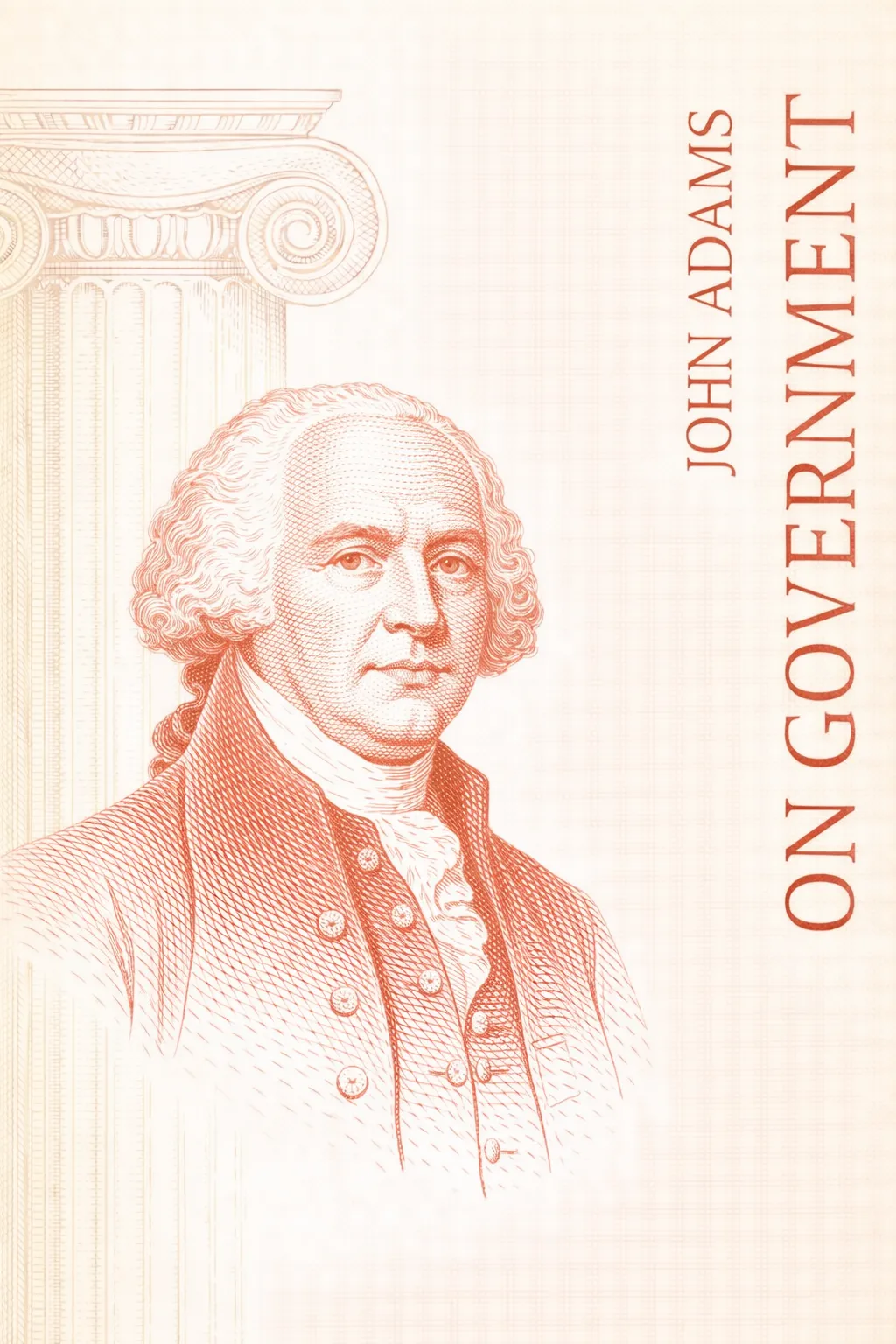
Thoughts on Government

John Adams (1735-1826) was the American founder most self-consciously conservative in his thinking. Where Jefferson looked to Locke and natural rights, Adams looked to history—to the mixed constitutions of classical antiquity and the English common law tradition.

In Thoughts on Government, written as the colonies prepared to form new governments, Adams laid out principles that would shape the Constitution a decade later: separation of powers, bicameralism, an independent judiciary.

"Fear is the foundation of most governments; but it is so sordid and brutal a passion, and renders men in whose breasts it predominates so stupid and miserable, that Americans will not be likely to approve of any political institution which is founded on it."

— John Adams, Thoughts on Government

Adams sought a government that balanced the claims of the one (executive), the few (aristocracy or senate), and the many (popular assembly). Without such balance, any government would degenerate into tyranny, oligarchy, or mob rule.

"A constitution founded on these principles introduces knowledge among the people, and inspires them with a conscious dignity becoming freemen; a general emulation takes place, which causes good humor, sociability, good manners, and good morals to be general."

— John Adams, Thoughts on Government

Read Thoughts on Government

3

The Federalist Papers

The Federalist papers were written to persuade New Yorkers to ratify the Constitution, but they became something more: the most profound American contribution to political philosophy. Hamilton, Madison, and Jay articulated a vision of government grounded in realism about human nature.

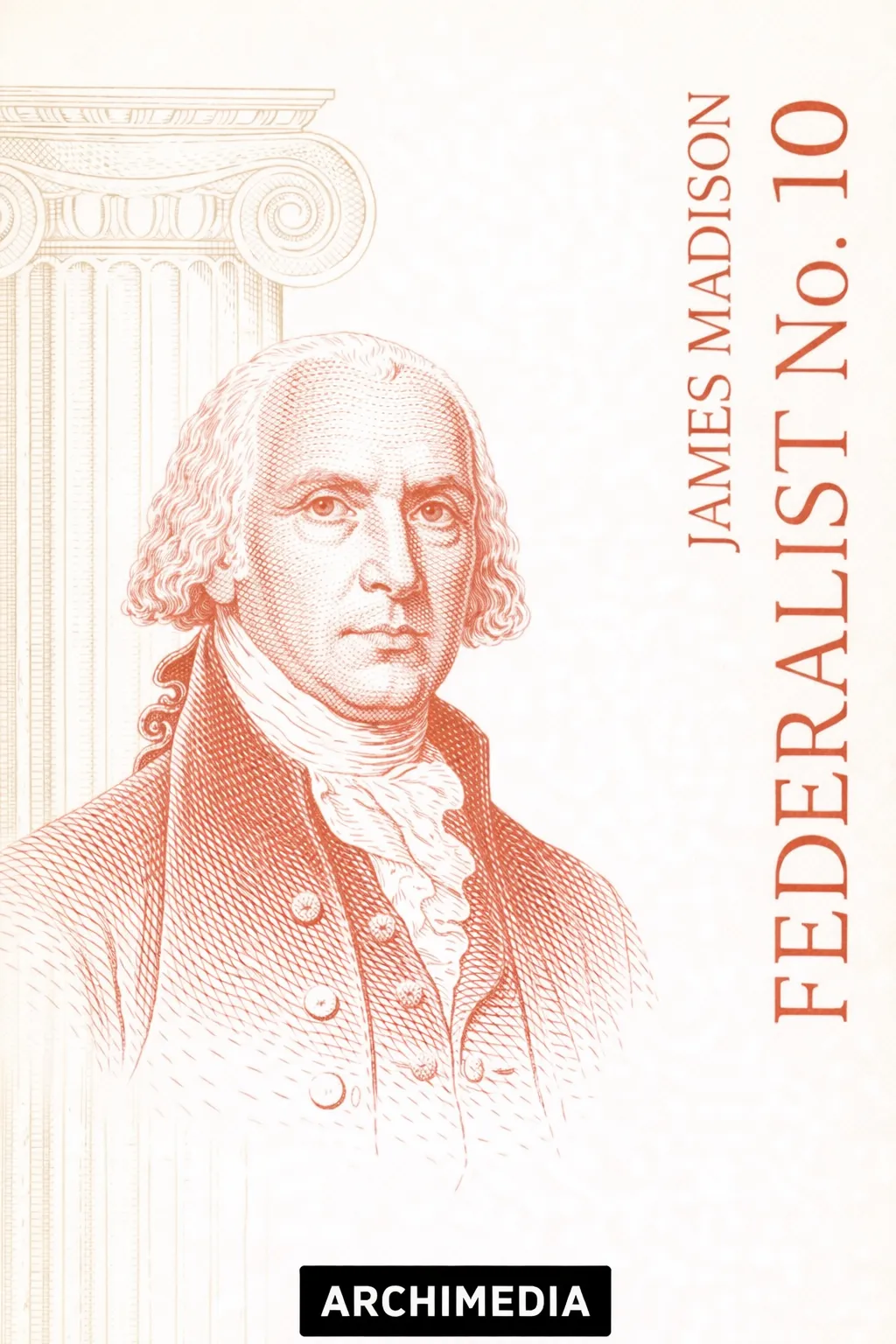
Federalist No. 10, by Madison, addressed the problem of faction—the tendency of groups to pursue their interests at the expense of the common good. Rather than hoping to eliminate faction (which would require eliminating liberty), Madison proposed to control its effects through an extended republic.

"The latent causes of faction are thus sown in the nature of man... A zeal for different opinions concerning religion, concerning government, and many other points... an attachment to different leaders ambitiously contending for pre-eminence and power... have, in turn, divided mankind into parties, inflamed them with mutual animosity, and rendered them much more disposed to vex and oppress each other than to co-operate for their common good."

— James Madison, Federalist No. 10

Federalist No. 51 developed the theory of separated powers and checks and balances. Madison's famous argument: "Ambition must be made to counteract ambition." The Constitution did not depend on virtuous rulers but on a structure that would channel self-interest toward the public good.

"In framing a government which is to be administered by men over men, the great difficulty lies in this: you must first enable the government to control the governed; and in the next place oblige it to control itself."

— James Madison, Federalist No. 51

Read Federalist No. 10 Read Federalist No. 51

4

Farewell Address

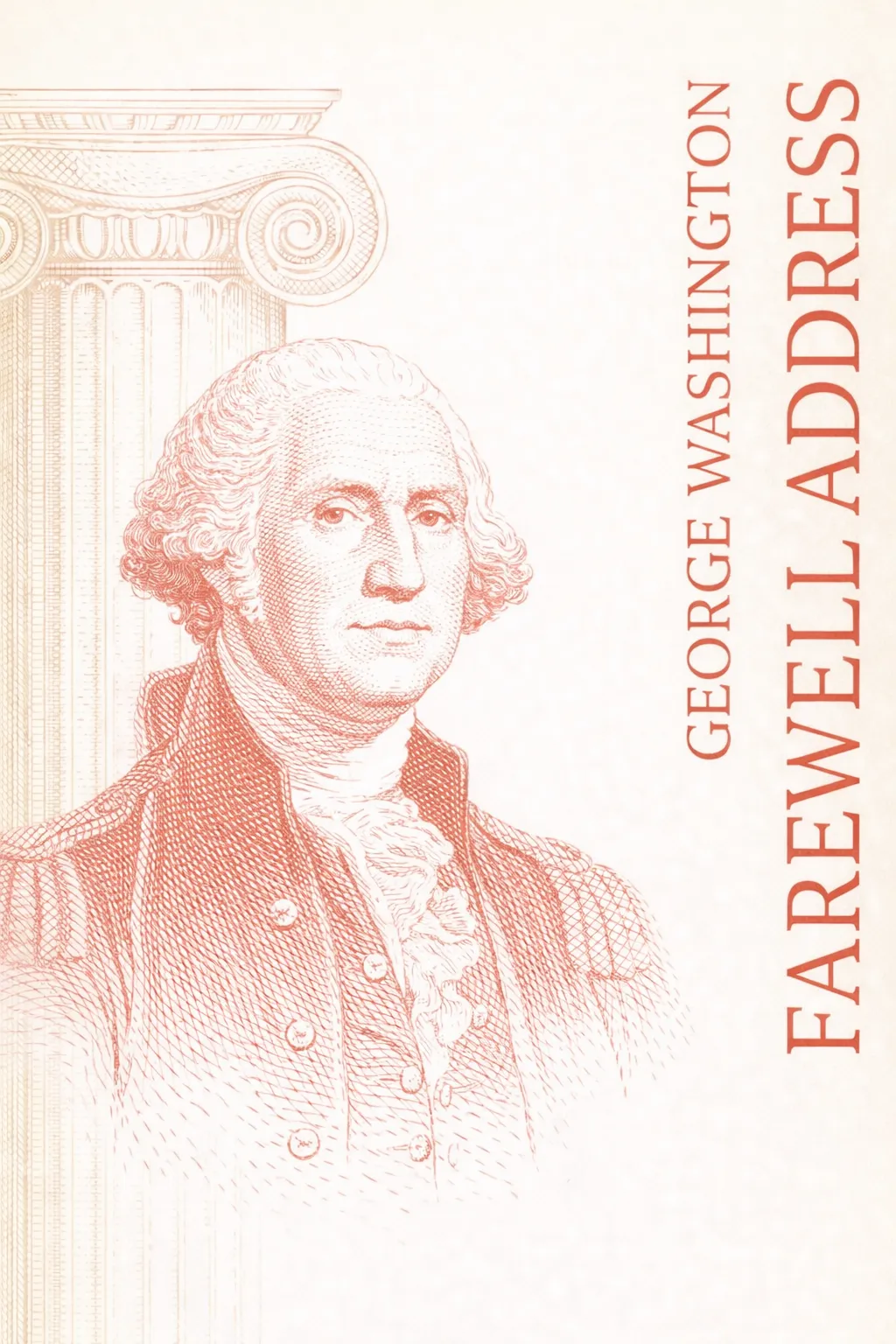
Washington's Farewell Address, drafted with Hamilton's assistance, warned against the very factions Madison had analyzed. It also articulated the connection between religion, morality, and republican government that conservatives have emphasized ever since.

"Of all the dispositions and habits which lead to political prosperity, religion and morality are indispensable supports. In vain would that man claim the tribute of patriotism, who should labor to subvert these great pillars of human happiness."

— George Washington, Farewell Address

Washington also warned against "the baneful effects of the spirit of party"—the tendency to substitute factional loyalty for the common good. This warning has echoed through American history, from Lincoln's "house divided" to contemporary concerns about polarization.

Read the Farewell Address
Movement III

The Southern Tradition

Randolph, Calhoun, and the Critique of Consolidation

5

John Randolph of Roanoke

John Randolph of Roanoke was the most eloquent voice of what Kirk called "the Southern conservatism of the old school." A Virginia congressman and senator, Randolph opposed the centralizing tendencies of the early Republic—the Bank of the United States, internal improvements, and the tariff.

Randolph was no systematic philosopher; his genius was rhetorical. His speeches in Congress were legendary—brilliant, caustic, unpredictable. He defended the old Jeffersonian principles against what he saw as Hamilton's ghost haunting the Republic.

"I am an aristocrat. I love liberty; I hate equality."

— John Randolph of Roanoke

Randolph's conservatism was rooted in place—in the soil of Virginia, in the culture of the Tidewater gentry, in the rhythms of agricultural life. He feared that commerce and industry, centered in the North, would overwhelm the agrarian South and destroy the decentralized republic the founders had created.

Note: The Southern conservative tradition is inseparable from the tragedy of slavery. Kirk acknowledged this, arguing that slavery distorted Southern conservatism even while recognizing legitimate elements in its critique of industrial modernity and centralized power. The tension between these elements remains unresolved in American conservative thought.

6

A Disquisition on Government

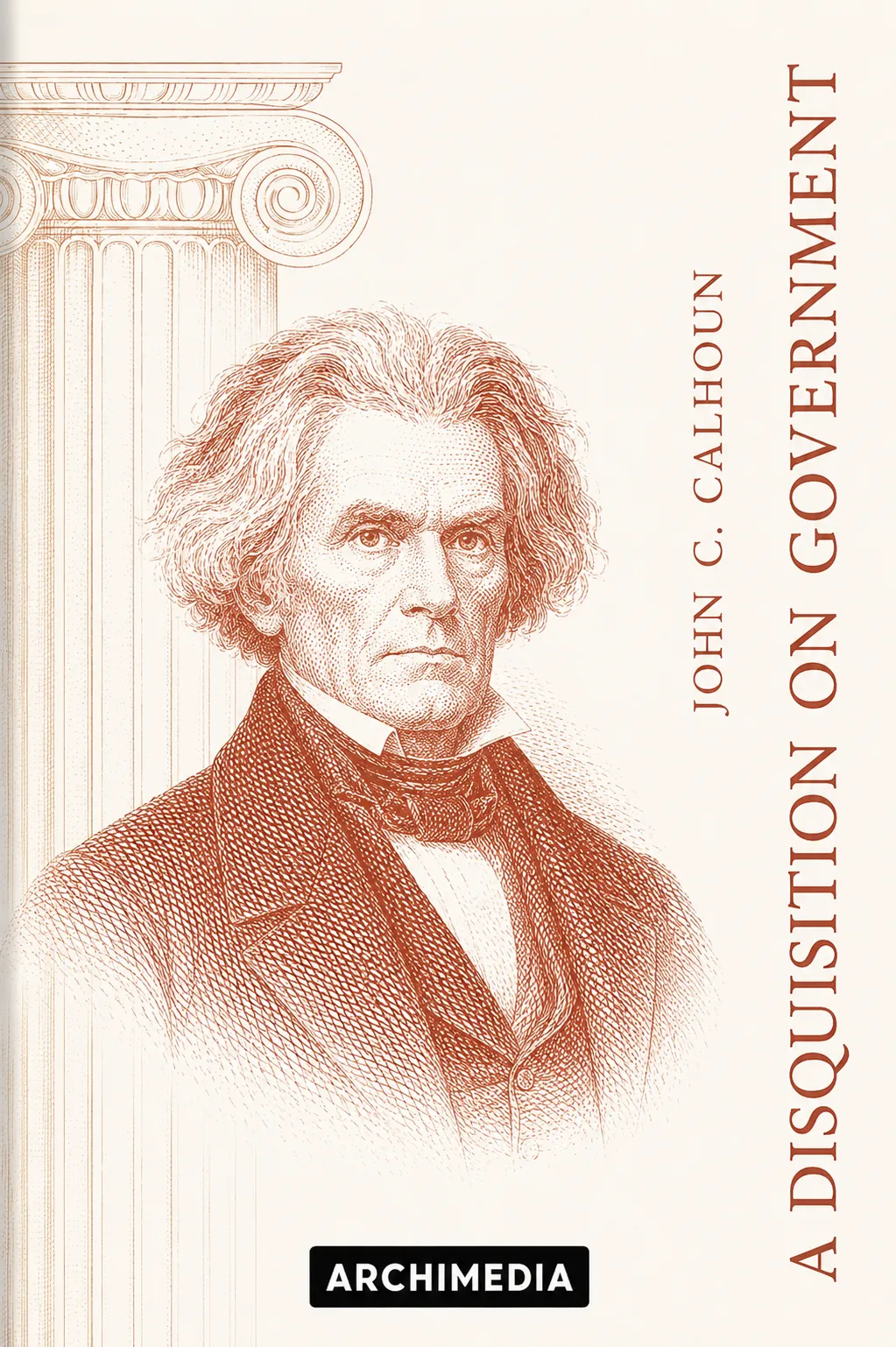
John C. Calhoun (1782-1850) was the most rigorous political theorist the South produced. His Disquisition on Government developed the concept of "concurrent majority"—the idea that major interests within a polity should each have a veto over decisions that affect them.

Calhoun's immediate concern was protecting Southern interests against a Northern majority. But his analysis of majority tyranny and his proposed remedy have broader applications.

"The government of the absolute majority... is but the government of the strongest interests; and when not efficiently checked, is the most tyrannical and oppressive that can be devised."

— John C. Calhoun, A Disquisition on Government

Against simple majority rule, Calhoun proposed constitutional mechanisms that would require the concurrence of major interests before government could act. His theory influenced later thinking about federalism, subsidiarity, and the protection of minorities within democratic systems.

The Question

How should a democratic society protect minorities from the tyranny of the majority? What mechanisms—constitutional, cultural, moral—can prevent majorities from oppressing those who dissent from prevailing opinion?

Movement IV

The Tocquevillian Moment

Democracy, Associations, and the Tyranny of the Majority

"I know of no country in which there is so little independence of mind and real freedom of discussion as in America."

— Alexis de Tocqueville, Democracy in America

7

Democracy in America

Alexis de Tocqueville (1805-1859) was a French aristocrat who traveled to America in 1831 ostensibly to study prisons, but actually to understand democracy. The result was the most penetrating analysis of American society ever written—and a work that conservatives have returned to again and again.

Tocqueville saw that democracy was not merely a political system but a social condition characterized by equality. This equality had profound consequences—some beneficial, others dangerous.

"I think that democratic communities have a natural taste for freedom; left to themselves, they will seek it, cherish it, and view any privation of it with regret. But for equality their passion is ardent, insatiable, incessant, invincible; they call for equality in freedom; and if they cannot obtain that, they still call for equality in slavery."

— Alexis de Tocqueville, Democracy in America

Tocqueville identified "the tyranny of the majority" not primarily as political oppression but as social conformity—the pressure democratic societies exert to think and act like everyone else. He also warned of a "soft despotism" that might emerge as citizens, focused on private pleasures, surrendered their liberties to a paternal state.

"I do not expect their leaders to be tyrants, but rather schoolmasters... Such a power does not destroy, but it prevents existence; it does not tyrannize, but it compresses, enervates, extinguishes, and stupefies a people, till each nation is reduced to nothing better than a flock of timid and industrious animals, of which the government is the shepherd."

— Alexis de Tocqueville, Democracy in America

Against these dangers, Tocqueville commended what he found in America: local self-government, voluntary associations, an active civic life, and religion. These "intermediate institutions" stood between the isolated individual and the centralized state, providing both community and protection.

The Question

Tocqueville warned of a "soft despotism" where citizens, absorbed in private pleasures, surrender civic responsibility to a paternal state. Does this description fit contemporary democratic societies?

Read Democracy in America
Movement V

Victorian Conservatives

Newman, Bagehot, Stephen, and the Defense of Institutions

8

The Idea of a University

John Henry Newman (1801-1890) began as an Anglican clergyman, led the Oxford Movement to revive Catholic elements within Anglicanism, and ultimately converted to Roman Catholicism—becoming a cardinal and, in 2019, a saint. His intellectual influence on conservatism has been profound.

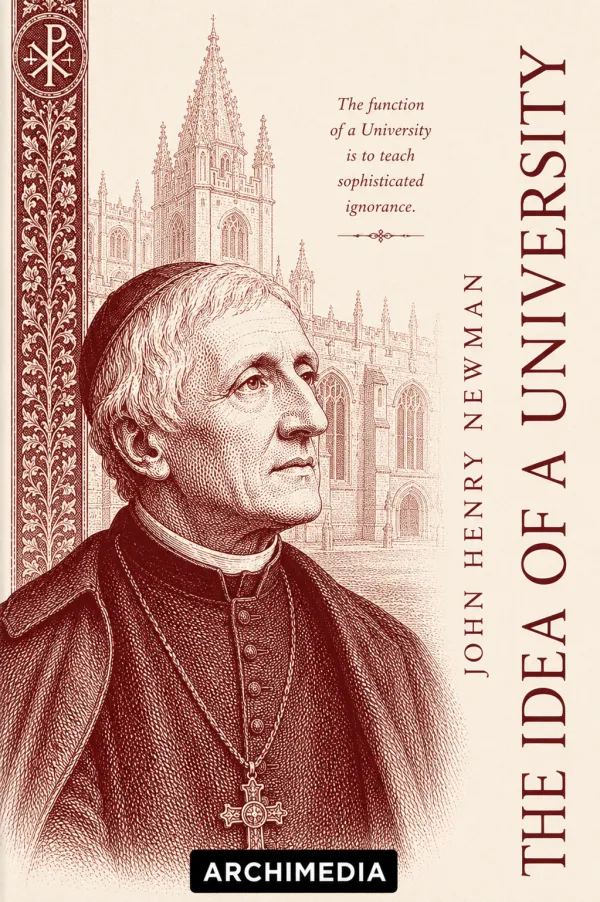
The Idea of a University articulated a vision of liberal education against utilitarian pressures to make universities serve immediate practical ends. Newman argued that knowledge is its own end—that the cultivation of the intellect has intrinsic value.

"If then a practical end must be assigned to a University course, I say it is that of training good members of society. Its art is the art of social life, and its end is fitness for the world."

— John Henry Newman, The Idea of a University

Newman's defense of liberal education—education that forms the whole person rather than merely training for a trade—has become a touchstone for conservatives concerned about the instrumental view of education that dominates contemporary universities.

Read The Idea of a University

9

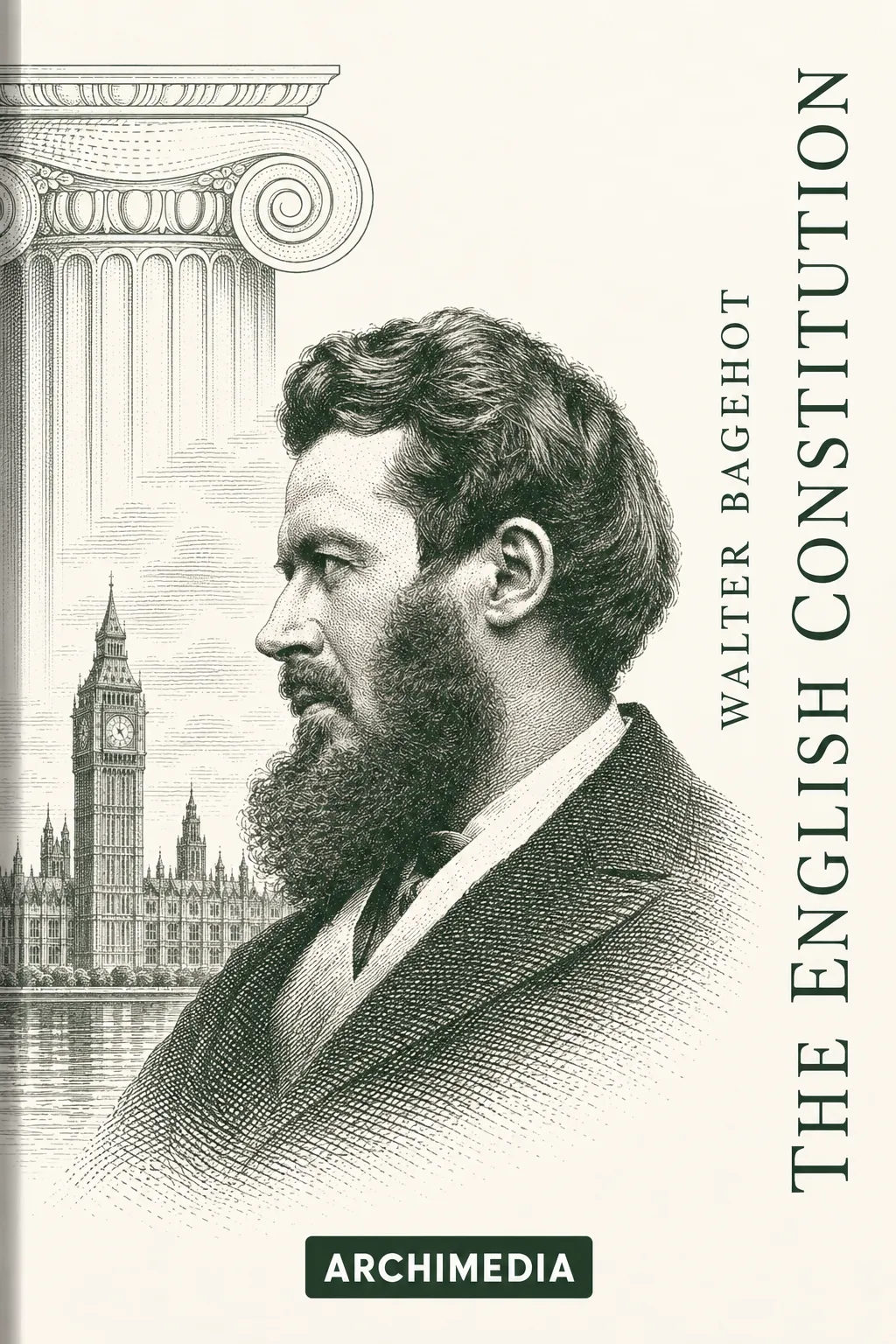
The English Constitution

Walter Bagehot (1826-1877) was an economist and journalist who edited The Economist. His English Constitution distinguished between the "dignified" and "efficient" parts of government—the ceremonial elements that command loyalty and the working elements that actually govern.

Bagehot understood that constitutions work not merely through their formal provisions but through the sentiments and habits they cultivate. The monarchy, though lacking real power, served essential functions: it made government intelligible to ordinary people and commanded an allegiance that abstract institutions could not.

"The best reason why Monarchy is a strong government is, that it is an intelligible government. The mass of mankind understand it, and they hardly anywhere in the world understand any other."

— Walter Bagehot, The English Constitution

10

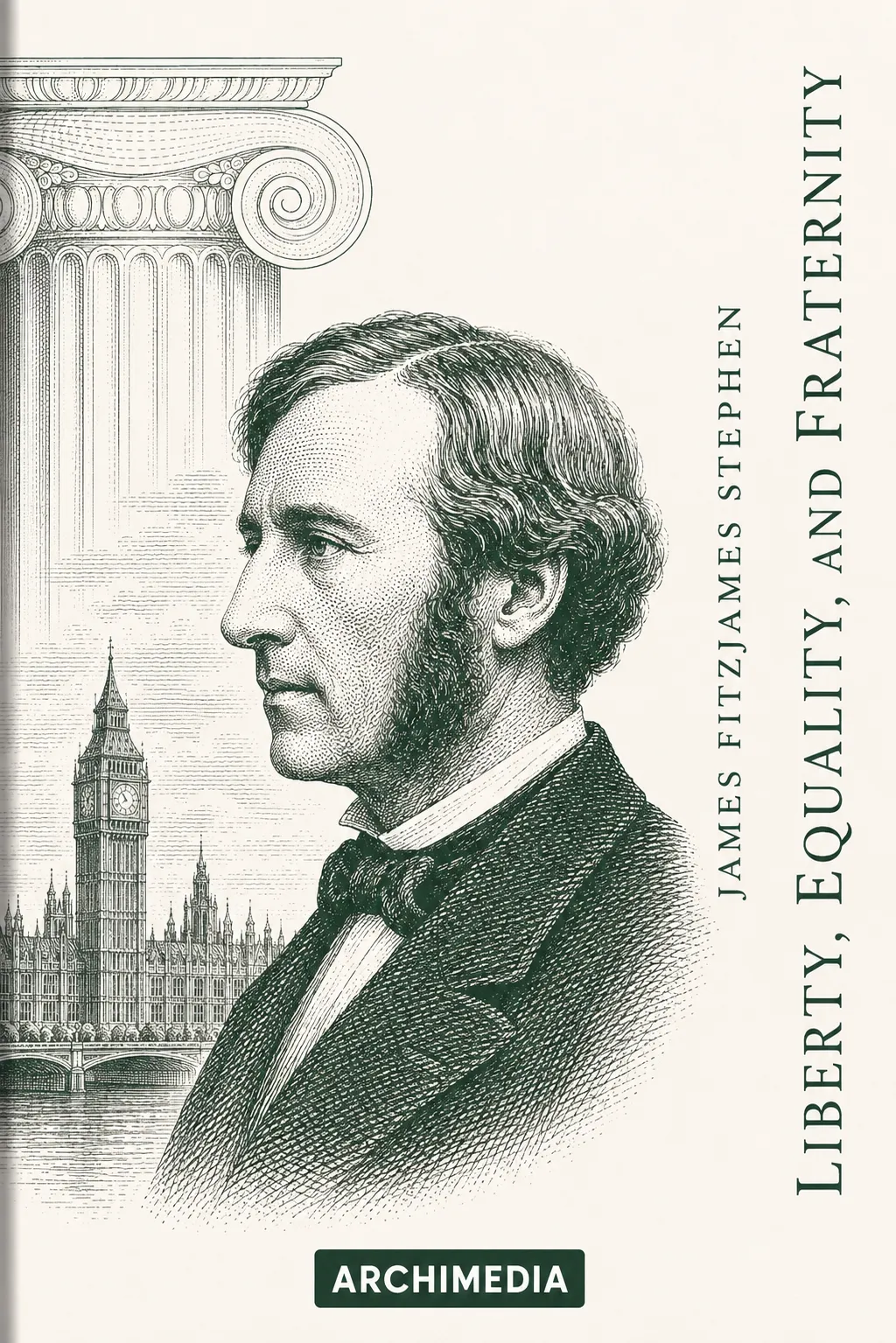
Liberty, Equality, Fraternity

James Fitzjames Stephen (1829-1894) wrote Liberty, Equality, Fraternity as a direct response to John Stuart Mill's On Liberty. Where Mill argued for maximum individual freedom, Stephen insisted that society has a legitimate interest in enforcing morality—that law and public opinion properly restrain behavior that, while not directly harming others, undermines social cohesion.

"The real question is whether, when a man is obliged to act by force, it is ever right to act on your own opinion, or whether you must wait till you have convinced him that your opinion is right... To me this question is clear. Waiting is not possible."

— James Fitzjames Stephen, Liberty, Equality, Fraternity

Stephen's critique of Mill anticipated later conservative arguments against libertarianism—the insistence that freedom abstracted from virtue and community leads not to human flourishing but to atomization and anomie.

Movement VI

The Twentieth Century

Babbitt, Eliot, and the Recovery of Tradition

11

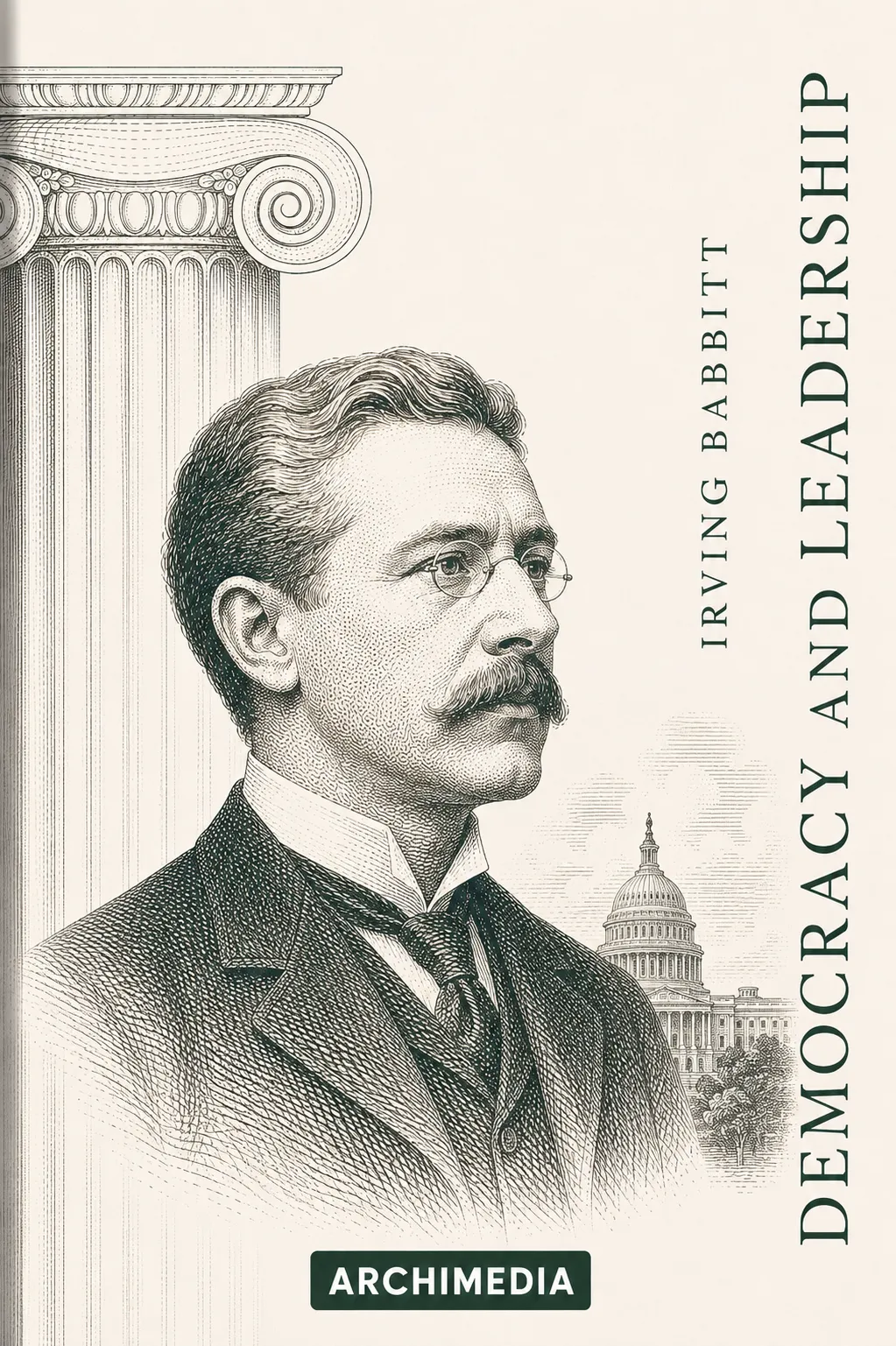
Democracy and Leadership

Irving Babbitt (1865-1933) was a Harvard professor who founded the "New Humanism"—a movement that sought to recover classical and Christian wisdom against modern romanticism and naturalism. His influence on later conservative thinkers, including Kirk himself, was immense.

In Democracy and Leadership, Babbitt argued that democracy's survival depends on the quality of its leaders—and that quality requires the recovery of what he called "the inner check," the discipline of the will against impulse and appetite.

"The democratic leader may sum up in himself all that is most pushing and self-assertive in a whole community. The more a community is emancipated from the standards of the past, the more the strong man will seem to embody its essence."

— Irving Babbitt, Democracy and Leadership

Babbitt traced the decline of genuine leadership to Rousseau and the Romantics, who celebrated spontaneity over discipline, feeling over reason, nature over culture. Against this, Babbitt called for a return to the wisdom of the Greeks, the Confucians, and the Christians—traditions that understood the need to restrain and elevate human nature.

12

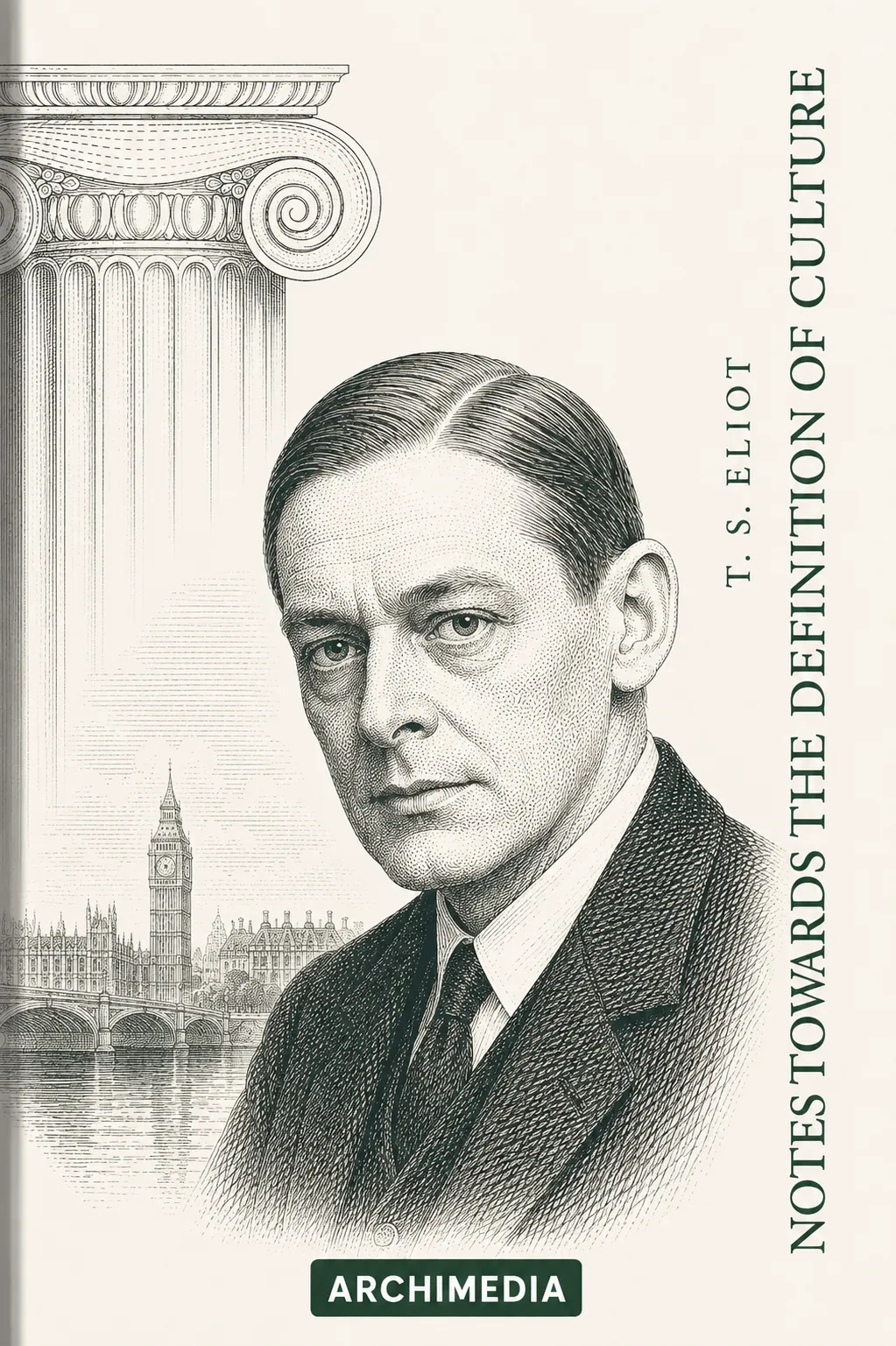
Notes Towards the Definition of Culture

T.S. Eliot (1888-1965) was the most significant poet of the twentieth century and a profound social critic. Born in St. Louis, educated at Harvard (where he studied with Babbitt), Eliot settled in England and became a British subject. He famously described himself as "classicist in literature, royalist in politics, and anglo-catholic in religion."

In Notes Towards the Definition of Culture, Eliot explored the relationship between religion, culture, and social structure. He argued that culture is not something imposed from above by planners but grows organically from the religious beliefs and practices of a people.

"No culture has appeared or developed except together with a religion: according to the point of view of the observer, the culture will appear to be the product of the religion, or the religion the product of the culture."

— T.S. Eliot, Notes Towards the Definition of Culture

Eliot also defended social hierarchy—not rigid caste, but the recognition that different classes contribute different elements to a common culture. He warned against both enforced equality and the isolation of elites from the common life of their society.

"A democracy in which everybody had an equal responsibility in everything would be oppressive for the conscientious and licentious for the rest."

— T.S. Eliot, Notes Towards the Definition of Culture

With Eliot, Kirk's genealogy reaches its terminus. But the tradition continues—in Kirk's own work, in the conservative intellectual revival of the later twentieth century, and in ongoing debates about the relationship between freedom, virtue, tradition, and the transcendent sources of social order.

13

The Conservative Mind

Russell Kirk (1918-1994) was the chronicler and, in some sense, the creator of the conservative tradition in America. Before The Conservative Mind, "conservative" was often a term of abuse in American politics, associated with business interests or mere reaction. Kirk gave it intellectual substance and historical depth.

Kirk's book traced what he called "the negation of ideology"—the conservative skepticism toward abstract systems and utopian schemes. Against the rationalist desire to remake society according to theory, Kirk affirmed the wisdom of prescription, the importance of local attachments, and the necessity of transcendent moral order.

"Conservatives are champions of custom, convention, and continuity because they prefer the devil they know to the devil they don't know."

— Russell Kirk, The Conservative Mind

Kirk's conservatism was not primarily economic or political but cultural and spiritual. He sought not to conserve particular institutions but to preserve the permanent things—those truths about human nature and social order that transcend time and place.

"The conservative knows that to conserve what is real means to transform what is contingent."

The Permanent Things

The conservative tradition is not a fixed ideology but an ongoing conversation—a conversation about what we owe to those who came before us, what we owe to those who will come after, and what endures beneath the flux of history. These texts are an invitation to join that conversation.

Sources & Further Reading

Primary Sources in This Pathway

  • Burke, Edmund. Reflections on the Revolution in France (1790). Ed. J.G.A. Pocock. Hackett, 1987.
  • Adams, John. Thoughts on Government (1776). In The Political Writings of John Adams, ed. George Peek. Hackett, 2003.
  • Hamilton, Madison, Jay. The Federalist Papers (1787-88). Ed. Clinton Rossiter. Signet, 2003.
  • Washington, George. Farewell Address (1796). Various editions.
  • Tocqueville, Alexis de. Democracy in America (1835/1840). Trans. Harvey Mansfield and Delba Winthrop. Chicago, 2000.
  • Newman, John Henry. The Idea of a University (1852). Ed. Frank Turner. Yale, 1996.
  • Bagehot, Walter. The English Constitution (1867). Oxford World's Classics, 2001.
  • Stephen, James Fitzjames. Liberty, Equality, Fraternity (1873). Liberty Fund, 1993.
  • Babbitt, Irving. Democracy and Leadership (1924). Liberty Fund, 1979.
  • Eliot, T.S. Notes Towards the Definition of Culture (1948). Faber & Faber.
  • Kirk, Russell. The Conservative Mind: From Burke to Eliot (1953). 7th rev. ed. Regnery, 2001.

Secondary Works

  • Nisbet, Robert. Conservatism: Dream and Reality. Open University Press, 1986.
  • Scruton, Roger. The Meaning of Conservatism. 3rd ed. Palgrave, 2001.
  • Muller, Jerry Z. Conservatism: An Anthology of Social and Political Thought from David Hume to the Present. Princeton, 1997.
  • Levin, Yuval. The Great Debate: Edmund Burke, Thomas Paine, and the Birth of Right and Left. Basic Books, 2014.
  • Birzer, Bradley J. Russell Kirk: American Conservative. University Press of Kentucky, 2015.

Related Pathways